Recipes, crafts and so much more!
If you live in or around Vestavia Hills, you already know how easy it is to enjoy tree-lined neighborhoods, wooded lots, and the kind of quiet yards that make outdoor living feel worth the pollen. Those same features also make the area attractive to raccoons, squirrels, bats, snakes, and other uninvited tenants. When wildlife slips too close to your house, smart prevention matters more than panic, and quick fixes usually create bigger problems.
Wild animals rarely show up because they are “aggressive.” Most are looking for three basic things: shelter, food, and water. Your attic offers dry cover. Your crawl space stays protected from weather. Your trash bins, pet food, bird seed, and even garden beds can look like an all-you-can-eat buffet.
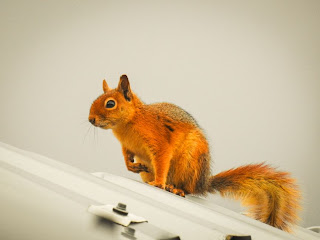
Seasonal changes matter too. In cooler months, animals search for warm nesting spots. In spring, many are raising young, which changes how they move and how stubborn they become. A squirrel in your soffit is not just being annoying; it may be building a nursery. That small detail changes the right response.
Human habits also play a role. Overgrown shrubs, loose vents, and roof gaps often create easy access points. Wildlife is opportunistic, and your home does not need to be messy to become a target. It just needs one weak spot.
Most wildlife problems do not begin with a dramatic moment. They begin with light scratching at night, droppings in a garage corner, or a strange smell you cannot quite place. Those details are easy to brush off, especially when life is busy.
Pay attention to:
– Scratching, thumping, or movement in walls or ceilings
– Grease marks near vents or rooflines
– Torn insulation or nesting material
– Droppings in attics, basements, or near entry points
– Pet food disappearing unusually fast
– Persistent odors that do not match plumbing or food waste
One odd noise may be nothing. Repeated signs usually mean activity is established. At that stage, waiting tends to raise cleanup costs and increase contamination risks.
The least glamorous clue is often the most important: smell. Urine, feces, and decaying organic matter turn a mild problem into an indoor air quality issue faster than most homeowners expect.
You might be tempted to plug a hole immediately, set a cheap trap, or blast a critter with bright lights and noise. It feels proactive. It can also go sideways in impressive fashion.
Sealing entry points without confirming the animal is gone may trap it inside your walls or attic. If babies are present, the mother may claw through new areas trying to get back in. Store-bought repellents often have mixed results and can create a false sense of progress. A raccoon does not usually respect peppermint oil with the seriousness you might hope for.
Poisons create another set of problems. Dead animals inside hidden cavities lead to odor, insects, and difficult removal. Improper trapping may be illegal depending on species and local rules.
A better approach starts with identifying the animal, locating every entry point, and understanding whether young are involved. Wildlife control is less about dramatic action and more about correct sequencing.
Long-term control depends on making your house less inviting. If you only remove one animal but leave the conditions that attracted it, the next visitor may already be scheduling a move-in.
Focus on practical prevention steps:
– Repair loose soffits, shingles, and vent screens
– Trim branches away from rooflines
– Secure garbage lids tightly
– Store pet food indoors
– Clean fallen fruit, seed, and food scraps from the yard
– Inspect crawl spaces and foundation openings
– Add chimney caps where appropriate
You do not need a fortress. You need fewer access points and fewer rewards. Even small upgrades matter. A torn vent cover can become a full colony issue if ignored for one season.
In wooded suburban areas, prevention should be routine home maintenance, not a one-time reaction. Think of it like checking for leaks or servicing HVAC equipment: not exciting, but very expensive when skipped.
Professional help is not just about taking an animal off your property. A solid service usually includes inspection, species identification, safe removal, entry-point analysis, and recommendations for exclusion and cleanup.
That matters because different animals call for different methods. Bat issues are handled very differently from squirrel, snake, or raccoon problems. Timing also matters. In some cases, removal must account for breeding seasons and local regulations.
If you are dealing with recurring signs, visible entry damage, or activity in attics and crawl spaces, it makes sense to look into wildlife removal in Vestavia Hill as a targeted service rather than treating the issue like a random nuisance.
A thorough job often includes sanitation advice too. That part gets overlooked, yet droppings and contaminated insulation can linger long after the animal leaves. Removal ends the invasion; cleanup helps restore the space.
Wildlife issues are not only about noise and inconvenience. Animals can damage wiring, insulation, wood, ductwork, and stored belongings. Squirrels and rodents, in particular, chew constantly. That can create fire hazards in hidden places.
Then there is sanitation. Droppings, urine, nesting debris, and parasites can affect indoor conditions. Bats, raccoons, and rodents all carry specific health concerns, and some contamination spreads in areas you rarely inspect.
Real-world impact often looks like this: you hear scratching for weeks, ignore it, and later discover torn insulation, chewed wires, and stained drywall near a vent chase. The wildlife itself was only part of the bill.
Children and pets add another layer of concern. Curious dogs may investigate a snake. Kids may wander into sheds or crawl-space access areas. Once wildlife activity is suspected, limiting contact until the issue is assessed is simply the safer call.
Your house is one piece of the puzzle. Your yard often acts as the staging area. Wildlife tends to explore outdoor cover first, then move indoors if the opportunity appears.
Try these adjustments:
– Keep brush and wood piles away from the house
– Mow regularly and reduce dense ground cover
– Fix standing water issues
– Use bird feeders carefully and clean spilled seed
– Fence gardens if food sources are attracting animals
– Close gaps under decks and porches when no animals are present
This does not mean turning your yard into a sterile box. It means reducing easy shelter and predictable food.
A well-landscaped property can still support local ecology without inviting an attic takeover. You can appreciate wildlife from a healthy distance. That arrangement works better for everyone, including the squirrel that does not need to learn your ceiling joists by name.
Start by observing, not escalating. Note where you hear activity, when it happens, and whether you can see an entry point from the outside. Avoid direct contact, avoid handling droppings without protection, and avoid sealing holes until the situation is properly identified.
Take photos of damage if visible. Keep pets away from suspect areas. If an animal is in a living space, give it a clear exit route if safe to do so, and keep people out of the room.
From there, prioritize an inspection and a prevention plan. The goal is not just removal. It is resolving the cause, preventing a repeat, and cleaning up any hazards left behind.
Wildlife near your home is common in leafy suburban areas, but common does not mean harmless or easy. A calm response, backed by accurate information, usually saves you money, stress, and a lot of 2 a.m. ceiling soundtrack.
