
Recipes, crafts and so much more!
Life in Carmel, IN, moves at a fast pace. Families juggle school schedules, work demands, and community activities, often leaving little time for rest. That stress doesn’t just affect mood—it influences health, relationships, and even productivity.
This is where the concept of hygge comes in. It focuses on small choices that make daily life feel more enjoyable. This articleexplores what hygge really means, how science supports it, and practical steps to bring it into everyday living.
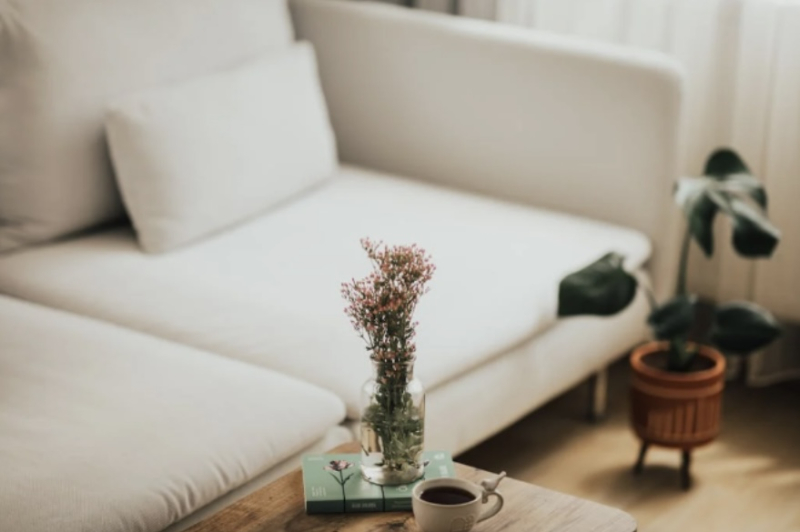
What Hygge Really Means for Daily Life
At its core, hygge is about being present and creating a sense of ease in ordinary moments. This could be as simple as enjoying a cup of tea in a quiet corner or spending time with friends without distractions.
The beauty of hygge is that it does not require luxury. A cozy blanket, warm lighting, or a favorite book can create the same sense of comfort as a designer couch. True hygge is not about buying more but about arranging life to feel more balanced and satisfying.
Creating a hygge environment at home starts with paying attention to how each space makes you feel. Rearranging furniture to create inviting spots for relaxation is one approach. Placing a chair near a window, adding a small table for tea, or using a rug to define a cozy area can make an ordinary room feel more welcoming.
For some people, creating comfort at home also involves small upgrades that improve daily routines. Bathrooms, for example, are often overlooked even though they play a big role in how relaxed we feel. A thoughtfully designed shower with features like warm lighting, calming colors, and natural textures can provide a spa-like experience right at home. This is why shower remodeling in Carmel has become a popular choice for homeowners who want to combine functionality with comfort.
By improving a space you use every day, you create an environment that supports relaxation and fits perfectly with the idea of hygge.
Why Warm Lighting Makes a Difference
Lighting shapes how a room feels, and science supports this. Bright, cool-toned lights are useful for tasks like working or cooking, but they can feel harsh when you want to relax. Warm lighting, on the other hand, signals the brain to wind down. This is similar to how the setting sun helps the body prepare for rest.
Adding warm lighting does not have to be costly. A simple switch to warm bulbs, installing dimmers, or using candles can transform the mood of a room. Many people find that during long winter evenings, warm lighting makes time at home more enjoyable and less stressful. It encourages slowing down and being present instead of rushing through routines.
The way a room feels to the touch is just as important as how it looks. Textures like soft wool blankets, cotton throws, or linen cushions add comfort. These materials create a sensory experience that supports relaxation. Research shows that physical comfort, like wrapping in a soft blanket, lowers stress and can even improve sleep quality.
You don’t need to spend much to bring in cozy textures. Swapping out a stiff throw pillow for a softer one or adding a textured rug can make a space feel warmer. Textiles also add visual depth, which makes a room look more inviting. By layering different textures, you create a space that encourages you to slow down and rest.
Finding Calm by Bringing Nature Indoors
Nature has a proven effect on human well-being. Studies from the Journal of Environmental Psychology show that indoor plants reduce stress and improve focus. Greenery also cleans the air, which supports healthier living spaces. For people who spend long hours indoors, adding natural elements creates a calmer environment.
You don’t need to be an expert gardener to enjoy these benefits. Low-maintenance plants like snake plants or peace lilies thrive indoors with minimal care. Wooden furniture, woven baskets, and stone accents also bring a natural feel into the home. Even small touches, such as a vase of fresh flowers, can shift the atmosphere of a room. By making nature part of daily surroundings, you create a sense of balance that reflects the core idea of hygge.
Hygge is not only about personal comfort—it also emphasizes togetherness. Research shows that strong social connections reduce loneliness and even improve physical health. A study published in PLoS Medicine found that people with strong social ties live longer and report greater life satisfaction.
In practice, this means making time for meaningful interactions. Hosting a small dinner with friends, enjoying board games with family, or simply sharing a cup of coffee with a neighbor can all create hygge moments. The focus is not on elaborate parties but on simple gatherings that encourage connection.
One of the strengths of hygge is its flexibility. It is not limited to cold weather or indoor spaces. In winter, it might mean layering blankets, sipping hot drinks, and enjoying candlelight. In summer, hygge can be found outdoors with soft lighting on a patio, evening walks, or casual picnics in the park.
Seasonal hygge is about adjusting to the environment while keeping comfort in mind. Fire pits and cozy chairs make chilly evenings enjoyable, while shaded spots and fresh salads make summer days more relaxing. By recognizing the rhythm of each season, you can create a lifestyle that feels in tune with nature rather than at odds with it.
Comfort is often treated as an afterthought, but science shows it plays a central role in health and happiness. Hygge provides a clear framework for creating that comfort in daily life. By bringing nature indoors, connecting with others, adapting to the seasons, and making mindful updates to living spaces, anyone can benefit from this Danish approach.
Adopting hygge is not about luxury or perfection. It is about choosing simple practices that make everyday life more enjoyable. Whether through lighting, textures, food, or companionship, hygge reminds us that comfort matters. Start with one or two small changes today, and notice how even the smallest step can create a sense of balance and ease.
