
Recipes, crafts and so much more!
Designing a home is about more than walls and roofs—it is about shaping a space that feels alive. Light, air, and balance are the elements that transform a structure into a living environment that adapts and nurtures. A thoughtful approach goes beyond aesthetics, blending natural forces into daily life to support comfort and well-being.
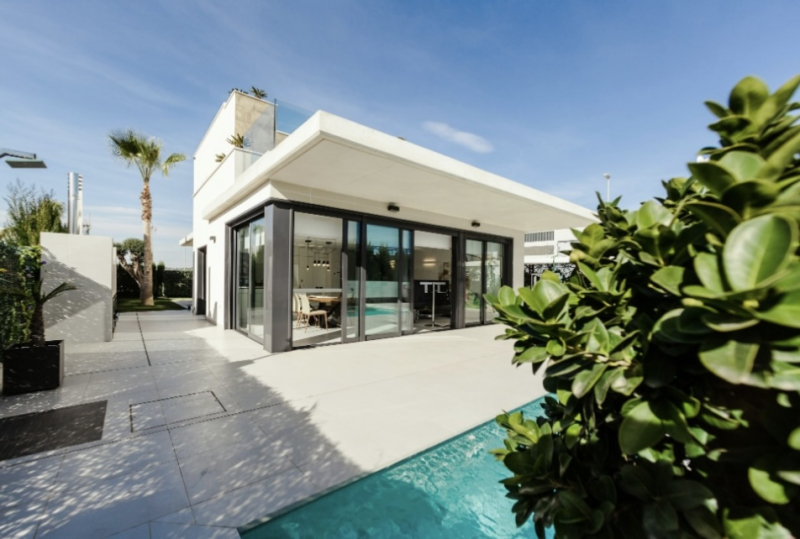
In places like Pittsburgh, where seasons bring both bright summers and long winters, these design choices become especially vital. When harmony is achieved, a home becomes not just shelter, but a breathing companion to those within it.
Windows as Gateways of Life
Windows are more than transparent panels; they are the central channels through which a home interacts with its environment. Their placement, size, and design determine not only how sunlight filters into interiors but also how effectively air circulates and how consistently comfort is maintained throughout the seasons.
Energy-efficient windows elevate this role by merging beauty with performance. Unlike traditional panes, they minimize heat transfer, keeping interiors warmer in winter and cooler in summer without overburdening mechanical systems.
Large, strategically positioned energy-efficient windows bring in generous daylight, enhancing mood and reducing reliance on artificial lighting. South-facing designs provide steady illumination, while east-facing placements introduce a gentle morning glow, helping spaces come alive at different times of the day.
Proportion and insulation are vital. A house that relies on oversized glass without proper coatings or double-glazing risks either excessive heat gain or significant heat loss. Energy-efficient windows resolve this by incorporating advanced glazing, insulated frames, and sometimes even inert gas layers between panes, ensuring the balance of light, warmth, and ventilation is maintained.
In this sense, if you’re a resident of Pittsburgh energy efficiency must be on your mind, especially as the area is prone to long winters and fluctuating temperatures that make thoughtful design a necessity rather than a luxury. Here, energy-efficient windows become more than aesthetic choices—they act as guardians of comfort, conservation, and year-round stability.
Harnessing the Power of Natural Light
Natural light is a universal enhancer, capable of shaping spaces with subtlety that artificial illumination can rarely replicate. The tone of morning sunlight differs from the golden hue of late afternoon, and these variations bring dynamism into a home. Spaces evolve throughout the day, never static, always alive.
Maximizing natural light requires an understanding of both direction and reflection. Skylights, clerestory windows, and light wells extend daylight deeper into interiors, while reflective surfaces—softly polished floors, pale wall finishes, or strategically placed mirrors—disperse illumination throughout spaces without excess glare. Thoughtful layering ensures that every room benefits, even those located farther from exterior walls.
Natural light also carries profound health benefits. It regulates circadian rhythms, ensuring that sleep cycles remain balanced.
Breathing Homes: The Role of Airflow
Just as light animates a space, air enlivens it. A stagnant environment, regardless of beauty, soon becomes oppressive. The rhythm of air circulation infuses rooms with freshness, carrying away odors, moisture, and pollutants. Natural ventilation remains the most sustainable and effective means of ensuring that interiors never grow stale.
Cross-ventilation stands at the heart of breathable design. By positioning openings on opposite or adjacent walls, designers allow breezes to move through interiors freely. Courtyards, verandas, and transitional spaces amplify this flow, channeling air into otherwise still corners of the house. The result is not only comfort but also reduced reliance on mechanical systems that consume energy.
Stack ventilation offers another layer of ingenuity. Warm air naturally rises, and by providing higher-level outlets such as clerestory windows or rooftop vents, homes allow this heat to escape, drawing cooler air inward. This simple principle transforms architecture into a living system, breathing in rhythm with the natural environment.
The Art of Proportion and Subtle Balance
Balance in design extends beyond measurable quantities of light and air; it resides in the proportions of space, the harmony of elements, and the transitions between one environment and another. A home that feels alive must avoid extremes. Oversized windows without shading overwhelm rather than soothe. Vast open spaces without intimate corners can feel empty rather than expansive.
The balance of materials also plays a central role. Natural surfaces—wood, stone, clay—interact with light and air differently than synthetic ones. They absorb, reflect, and respond in ways that feel organic, grounding the home in timeless textures. Pairing heavier, grounding materials with lighter finishes creates contrast while avoiding monotony.
Spatial proportion is equally vital. Human psychology responds to symmetry, rhythm, and scale. Rooms designed with careful ratios invite comfort, while those with disproportionate dimensions evoke unease. This is not about strict uniformity but about creating a rhythm that feels intuitive. An entryway that expands into a luminous living area, a corridor that narrows only to reveal a sunlit courtyard—such sequences guide emotions as much as they guide footsteps.
Integrating Nature into Everyday Design
Beyond light and air, living design embraces elements of nature in subtler forms. Plant life, for instance, enriches interiors with both visual vibrancy and air-purifying benefits. Indoor gardens, potted greens, and vertical walls invite freshness into daily routines.
Water features, though modest in scale, contribute sensory depth. The sound of trickling water softens silence, providing a natural rhythm that complements the flow of air. When combined with greenery and natural light, such features establish an environment that feels not only inhabited but alive.
Emotional Resonance of Living Spaces
A home that feels alive influences more than physical comfort; it shapes emotional and psychological well-being. Spaces bathed in natural light inspire optimism. Air that circulates freely clears not only physical impurities but mental heaviness. Balanced proportions ground the mind, creating stability in daily routines.
Design also communicates identity. A well-considered home reflects the values of those who inhabit it—simplicity, openness, sustainability, or creativity. Every element, from window placement to material choice, becomes an expression of character. The resonance of these choices lingers, shaping how residents experience both solitude and togetherness.
Children, in particular, thrive in environments where natural rhythms prevail. Exposure to daylight and fresh air enhances concentration, while adaptable spaces nurture imagination.
Designing homes that feel alive requires more than technical expertise; it requires sensitivity to life itself. Light must not only illuminate but guide. Air must not only refresh but sustain. Balance must not only stabilize but inspire. When these forces align, the home transcends function and becomes a living companion—adaptable, nourishing, and deeply human.
