
Recipes, crafts and so much more!
Plumbing emergencies have a knack for catching you off guard. You’re having a normal day when suddenly, water starts pooling where it shouldn’t, or your shower goes cold mid-wash. For homeowners in places like Salt Lake City, plumbing emergencies are even more common due to the city’s fluctuating weather. Winters can bring freezing temperatures that are tough on pipes, while summer’s high water usage can stress plumbing systems. Being prepared for these emergencies is crucial, not just to save money but to avoid the chaos they can cause in your home.
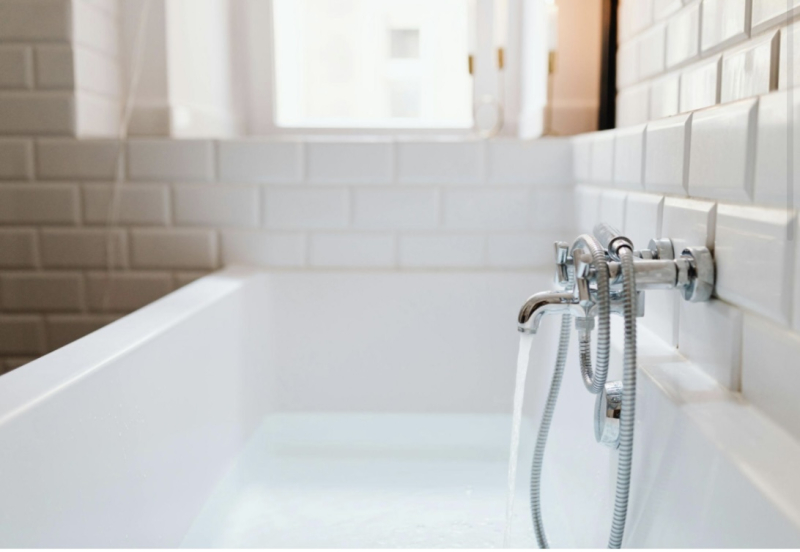
Let’s look at the top five plumbing emergencies every homeowner should be ready to face—and what to do when they happen.
1. Burst Pipes and Flooding
A burst pipe can escalate from a minor issue to a major disaster within minutes. Water floods your home, damages walls and floors, and can even harm electrical systems. This is one of the most serious plumbing emergencies you can face, especially in colder climates like Salt Lake City, where freezing temperatures can wreak havoc on pipes. When water inside a pipe freezes, it expands, causing the pipe to crack or burst.
So, what can you do if this happens? The first step is to turn off your home’s main water valve. This stops the flow of water and prevents further flooding. Next, call a plumber immediately to repair the burst pipe and assess the surrounding plumbing for additional damage.
Having access to an emergency plumber Salt Lake City offers is a lifesaver in these situations. Professionals in the area understand the local climate and know how to handle freezing-related plumbing issues quickly and effectively. Time is critical, and the faster the issue is addressed, the less damage your home will sustain.
2. Clogged Drains and Sewer Backups
Clogged drains might seem like a minor inconvenience at first, but they can quickly become a major problem if left untreated. A slow drain can escalate to a full blockage, and worse, a sewer backup can flood your home with contaminated water. This type of emergency is not only unpleasant but also poses health risks due to the bacteria and toxins in sewage.
What causes these issues? For drains, common culprits include grease, soap residue, hair, and small objects accidentally washed down. Sewer backups are often caused by tree roots invading the sewer line, old or damaged pipes, or heavy rainfall overwhelming the sewer system.
If you notice signs like gurgling sounds, foul odors, or multiple drains clogging at once, it’s time to act. Start by attempting to clear the blockage using a plunger or a drain snake, which are both effective tools for minor clogs. Avoid using chemical cleaners, as they can damage your pipes over time. If these methods don’t work, call a plumber to assess and fix the issue. Sewer backups, in particular, require professional equipment to clear and repair.
3. Water Heater Failures
Your water heater plays a crucial role in your home, providing hot water for showers, washing dishes, and doing laundry. When it fails, it disrupts your daily routine and can even cause water damage if the tank leaks.
There are a few telltale signs that your water heater is on its way out. These include inconsistent water temperatures, strange noises coming from the tank, or visible leaks around the unit. If you experience any of these issues, don’t ignore them. Turn off the water supply to the heater and call a professional immediately. A leaking tank, if left unattended, can rupture and cause significant flooding.
Preventative maintenance can extend the lifespan of your water heater. Flushing the tank annually to remove sediment buildup is one effective way to keep it running smoothly.
4. Overflowing Toilets
An overflowing toilet is one of those emergencies that nobody wants to deal with, but it happens more often than you’d think. It’s not just messy—it can also cause water damage to your bathroom floors and nearby areas. Overflowing toilets are usually caused by a blockage in the drain or sewer line, a malfunctioning float mechanism, or flushing inappropriate items.
If your toilet overflows, the first thing you should do is stop the water flow. Locate the shutoff valve near the base of the toilet and turn it clockwise. This prevents more water from entering the bowl and making the situation worse. Once the immediate crisis is under control, try using a plunger to clear the blockage. If the clog persists or the toilet keeps overflowing, call a plumber to diagnose and fix the problem.
To prevent this issue in the future, avoid flushing anything other than toilet paper. Items like wet wipes, feminine hygiene products, and paper towels can easily cause blockages. Educating your household on proper flushing habits can go a long way in avoiding these emergencies.
5. Leaking or Ruptured Sewer Lines
A leaking or ruptured sewer line is one of the most serious plumbing emergencies you can face. It can lead to foul odors, structural damage, and even contamination of your yard. If left untreated, the damage can extend to your home’s foundation and cost thousands of dollars to repair.
Common signs of a sewer line problem include slow drains, water pooling in your yard, or unusually green patches of grass that indicate leaking sewage. These issues are often caused by tree roots infiltrating the sewer line, shifting soil, or aging pipes.
If you suspect a sewer line issue, don’t wait to take action. Call a plumber immediately to inspect the line and determine the best course of action. Repairs may involve clearing the blockage, patching a small leak, or replacing the damaged section of the pipe.
Plumbing emergencies are stressful, but they’re a part of homeownership that every homeowner should prepare for. Whether it’s a burst pipe in the middle of winter or a clogged drain that leads to a sewer backup, knowing how to respond quickly can save you time, money, and frustration.
The key to managing plumbing emergencies is preparation. Familiarize yourself with the location of your main water valve, keep basic tools like plungers and wrenches handy, and don’t hesitate to call a professional when a problem is beyond your expertise. Acting fast can minimize damage and help you get your home back to normal as quickly as possible. Remember, when in doubt, always err on the side of caution and call a professional to handle the situation.
