There’s nothing quite like the joy of picking fresh produce from your own small garden, but knowing what to pick and when can make all the difference in maintaining a sustainable year-round crop. Whether you’re a seasoned green thumb or just starting out, understanding the rhythms of your garden is key to maximizing your harvest. Have you ever wondered why some vegetables thrive in cooler months while others love the heat? With a few sustainable gardening tips, you’ll soon be picking the right veggies at the right time, ensuring your garden keeps giving back throughout the year. Let’s dive into the secrets of a bountiful small garden harvest and discover how to keep that garden magic alive all year long! For more guidance, check out this beginner’s guide to easy vegetables.
Planning Your Small Garden Harvest
Planning is the backbone of any successful small garden harvest. By considering your planting zone and creating a seasonal planting calendar, you’ll ensure that your garden thrives throughout the year. This section will guide you through understanding these essential elements to maximize your yield.
Understanding Your Planting Zone
Understanding your planting zone is crucial in determining which crops will thrive in your garden. Planting zones, or hardiness zones, are geographic areas defined by climate conditions, such as temperature, that affect plant growth.
First, identify your planting zone. You can find this information from resources like The Old Farmer’s Almanac, which provides detailed insights into your specific region’s climate.
Knowing your zone helps in predicting the best planting and harvesting times. For instance, a zone with milder winters may allow for year-round crops, while a colder zone might necessitate more controlled planting.
Creating a Seasonal Planting Calendar
Creating a seasonal planting calendar ensures your garden is productive throughout the year. Start by listing the crops you wish to grow and their optimal planting and harvesting times.
-
Research each crop’s growing season.
-
Plan your planting schedule by aligning it with your planting zone’s climate conditions.
-
Mark key dates for planting, growing, and harvesting to keep your garden on track.
Such a calendar helps prevent overlapping growth periods, ensuring a steady small garden harvest. A well-planned calendar also prepares you for seasonal changes, keeping your garden sustainable.
What to Pick and When to Harvest
Knowing what to pick and when to harvest ensures your crops are at their peak flavour and nutritional value. This section will explore the ideal harvesting times for different seasons, ensuring a consistent small garden harvest.
Early Spring Harvests
Early spring is a time of renewal, and your garden is no exception. This season is perfect for hardy greens and root vegetables that can withstand cooler temperatures.
-
Lettuce and spinach are excellent choices. Plant them as soon as the ground is thawed to enjoy fresh, crisp salads.
-
Radishes and carrots thrive in early spring. They’re quick to mature, offering a speedy reward for your efforts.
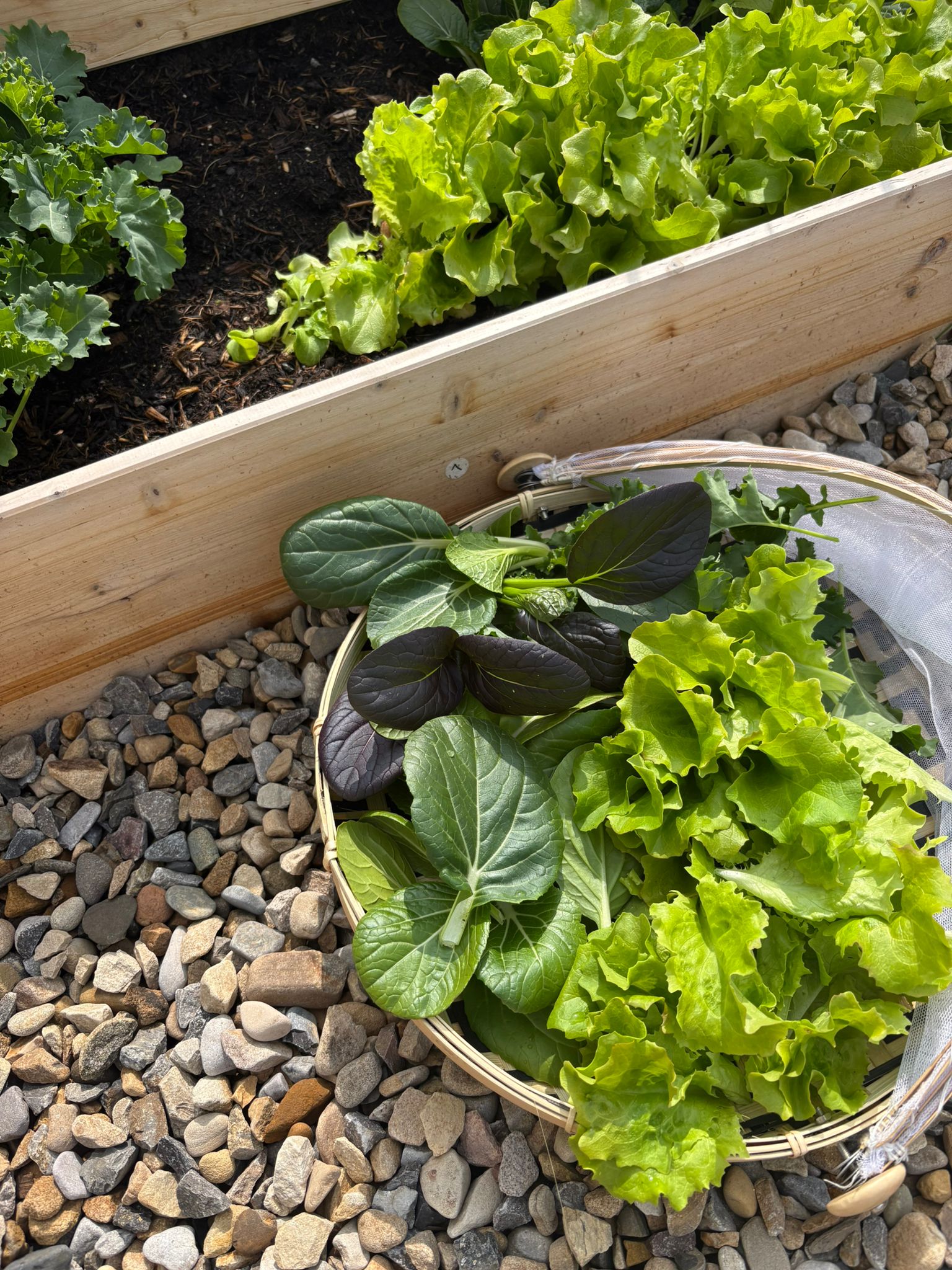
Early spring is also the time to start seedlings indoors for transplanting later. This proactive approach ensures a continuous harvest as the seasons progress.
Summer Bounty
Summer ushers in a bounty of fruits and vegetables. With longer days and warmer temperatures, it’s the perfect time for heat-loving plants.
-
Tomatoes and cucumbers should be in full swing. They require plenty of sunlight and regular watering to yield a fruitful harvest.
-
Zucchini and squash also thrive during this period, providing ample produce for your kitchen.
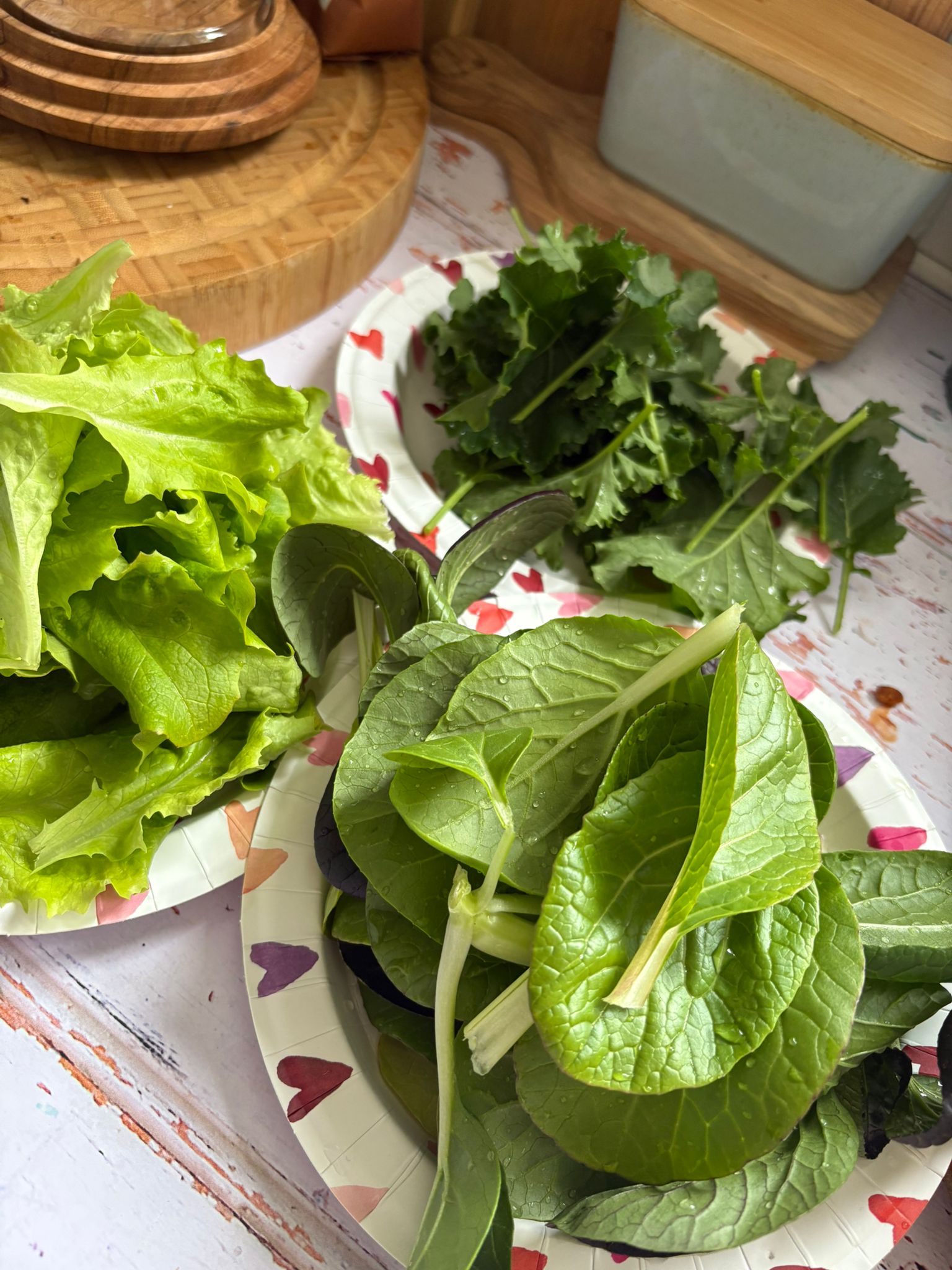
Regularly check these plants for pests and diseases, ensuring a healthy crop throughout the season. Proper care during these months guarantees a vibrant garden.
Autumn and Winter Picks
As the cooler months approach, your garden’s focus shifts to hardy vegetables that can withstand frost.
-
Kale and Brussels sprouts become sweeter after a frost, making them ideal autumn picks.
-
Carrots and parsnips can be left in the ground until needed, as they store well in cold soil.
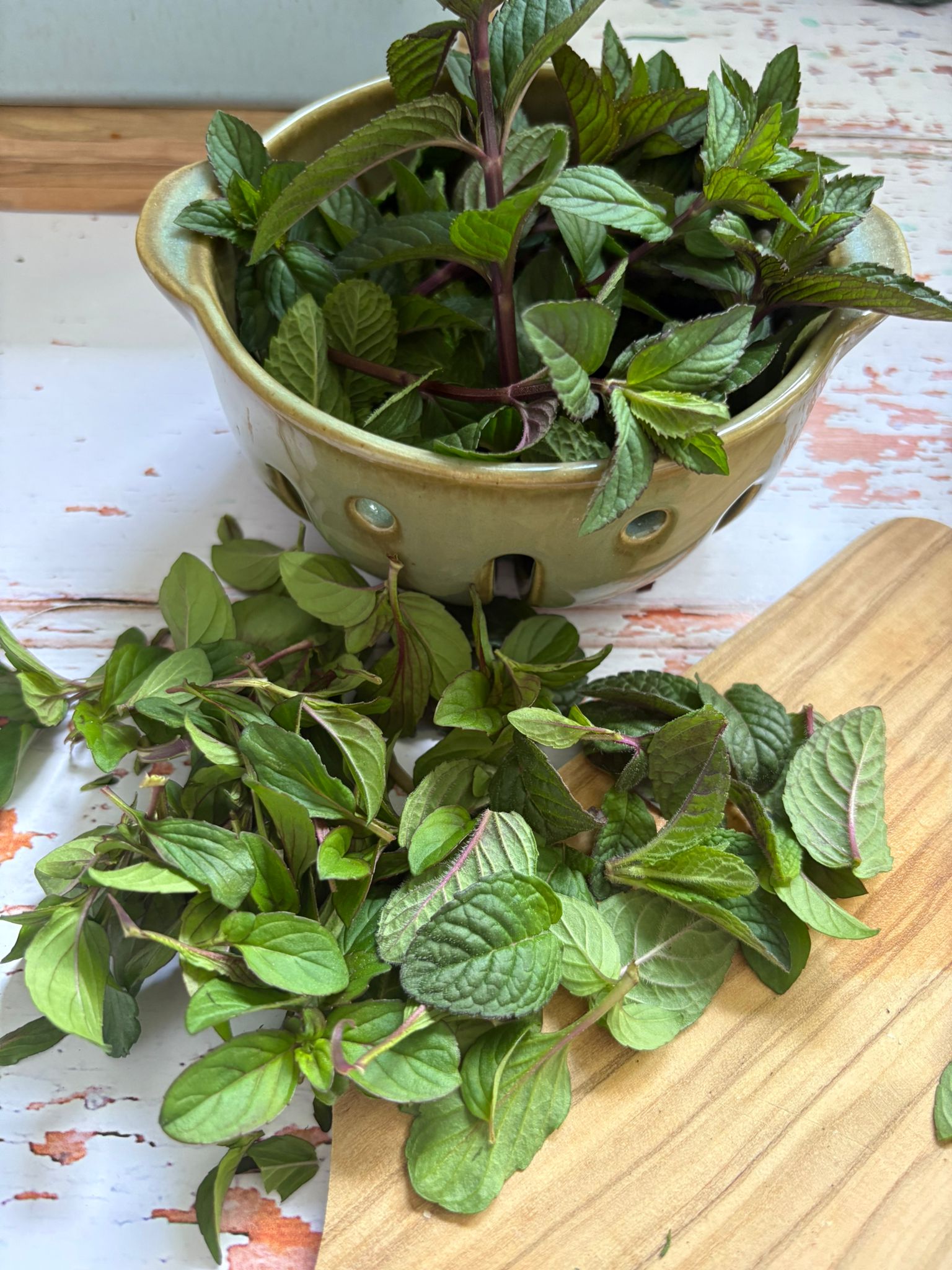
Follow this guide for winter preparation tips. By planning for the cold, you can still enjoy a small garden harvest even in the depths of winter.
Sustainable Gardening Tips for Year Round Crops
Sustainable gardening ensures your small garden harvest remains bountiful year after year. By implementing practices like crop rotation and companion planting, you can maintain soil health and deter pests naturally.
Rotating Your Crops
Crop rotation prevents soil depletion and reduces pest buildup. By changing the location of your crops each year, you disrupt pest life cycles and prevent the exhaustion of soil nutrients.
-
Divide your garden into sections based on plant families.
-
Rotate these sections annually, making sure no family grows in the same spot consecutively.
-
Incorporate legumes like beans or peas, which replenish nitrogen in the soil.
By rotating crops, you maintain soil fertility and encourage a diverse small garden harvest. It’s a simple yet effective sustainable gardening tip.
Companion Planting Secrets
Companion planting involves growing certain plants together for mutual benefit. This method can enhance growth, deter pests, and improve flavors.
-
Basil and tomatoes make a classic pair, with basil enhancing tomato growth and flavor.
-
Carrots and onions deter pests when planted together, protecting each other from their respective insect adversaries.
For more companion planting advice, refer to Seaside Life. Implementing these combinations fosters a robust, natural ecosystem in your garden.
By applying these sustainable gardening tips, your garden will not only produce year-round crops but also support a healthy environment.
