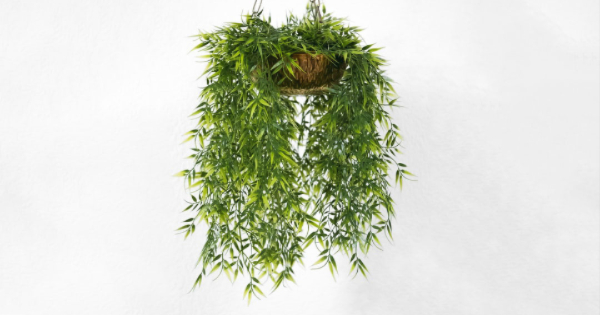
People have always loved plants, but in recent years that casual love has blossomed into a full-blown obsession. There’s something about bringing a bit of nature’s greenery into your home or office that lifts the spirit and makes you happy.
Although about 30% of households have at least one houseplant, not every plant parent has the greenest of thumbs. Others may be just starting their plant journey and need a little bit of guidance to ensure their sprouts turn into healthy blooms. Take a peek at this guide to caring for plants to find advice on raising a healthy houseplant.
Choose the right plants
If you start your houseplant journey with the wrong types of plants, you’re more likely to find it a frustrating or unrewarding project. Avoid this obstacle by choosing plants that are forgiving, not needy. These are a few wise choices, especially for beginner botanists:
- Philodendron
- Spider plant
- Peace lily
- Snake plant
- Pothos
- Peperomia
- Rubber plant
Whether you’re in your early 20’s and are interested in growing houseplants in your first apartment or you’re approaching the average retirement age of 63 and want a rewarding hobby to fill your free time, you should be able to make these plants flourish with fairly little care. It isn’t like raising an adorable 10-week-old puppy that can finally sleep soundly through the night. You simply need to give your plants the right environment and watch them thrive. The following sections will detail how to curate this environment in your home.
Let There Be Light
Houseplants love a balance of light and shade. Try placing your plants in or near a bright window that gets direct sunlight for only part of the day. As windows take up about 15% of a home’s wall space, you should be able to match the perfect one to your plant’s needs. If you purchase a plant from the store, always check the label and follow the directions about light requirements. Plants that like low light will typically do well in north-facing windows while those that prefer high or direct light should go in windows that face south or southwest. Plants that like medium or indirect light tend to thrive in east-facing windows or spots in bright rooms away from the windows.
You can often fix common plant problems by changing up your plant’s location and the amount of light it gets. If your plant is growingly awkwardly long or is stretching out to reach its light source, it may be trying to tell you that it needs more light. Try moving it closer to the window, switching it to a different window that gets more light, or rotating it so that all sides get equal time in the sun. If your plant has pale or yellow leaves, it may be getting a sunburn. Move it to a spot that gets less intense light and you may see the leaves darken again.
Pick The Perfect Pot (And Soil)
The pot you choose for your plant will be its entire world and the bit of soil in there will be its ecosystem. Unlike the plants you put in gardens to improve your landscaping and boost your property’s ROI, your houseplants won’t be able to get nutrients from the earth. Be sure to get a well-draining, nutrient-rich houseplant potting mix. Garden soil is typically too heavy for indoor plants.
When choosing a pot, make sure it has holes in the bottom. Your plant will need to drain excess water so these holes are essential for its health. You should put a layer of gravel in the pot before adding soil for optimal drainage and then place the pot on a tray or in a decorative planter to collect the excess water. Your plant likely came in a pot made of plastic — such as polyethylene, the most common plastic in the world — and it will be fine in this pot for about a year. When you get a new pot, try to match the size of it to the one your plant came in. Houseplants benefit from a repotting every couple of years and during these repottings you can go up one pot size, or about an inch.
What About Water?
Appropriate watering is often the trickiest part to plant care for beginners. Although many people are worried that they don’t water their plants enough, the more common issue is watering too often. Classic signs of overwatering include yellow leaves, brown leaf tips, and wilting leaves.
You can usually asses how much water a plant needs by its weight. The more it weighs, the more it will need. Try to stick to a watering schedule of once or twice a week. When it’s time to water your plants, pour the water at a slow, deliberate pace until it starts to escape from the pot’s drainage holes. That’s a sure signal that your plant has had enough to drink. Remember that during winter, your plants will usually need watering just a few times every month.
Having potted plants in your home can be a great source of joy and a wonderful way to feel more in touch with nature. You might not eat as much grass as the 900,000 caribou roaming the plains of Alaska, but that doesn’t mean you can’t have nature indoors. After all, it’s estimated that at least 17 million acres of forest land will be lost permanently to urbanization and development over the next 50 years. Before the world’s forests are gone, bring your little piece of greenery inside. You just might find that your thumb is greener than you think.
