Have you ever looked up at your roof and wondered if something might be wrong? Most homeowners rarely think about their roof until a serious problem shows up. But by the time you see a leak in the ceiling or water stains on your walls, the damage has usually already been done. Recognizing these warning signs early can help prevent expensive repairs and protect your home in the long run.
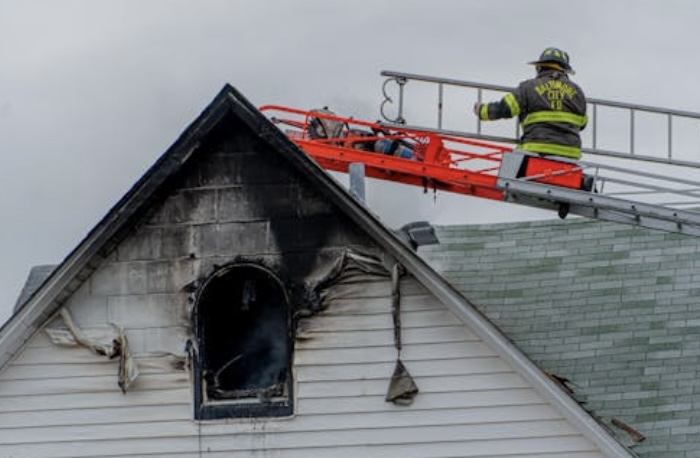
In this blog, we will share some of the most important signs of roof damage you should never overlook.
Shingles That Are Curling, Cracking, or Missing
Shingles act as the protective skin of your roof. When they start curling or cracking, they can’t shield your home as well. Curling often happens due to age or poor ventilation. It’s also common when roofs have gone through harsh weather. If your shingles are cracked, it means they’ve lost flexibility and may break off entirely. This exposes the underlayer of your roof, increasing the chance of leaks and water damage.
Missing shingles are even worse. They leave wide open spots for rain and debris to get through. If you notice areas where shingles are completely gone, it’s time to take action. Ignoring missing shingles can lead to damaged roof decking and insulation.
Leaks and Water Stains Inside Your Home
One of the clearest signs of roof damage is seeing water stains on your walls or ceiling. These stains may look like brown rings or discolored patches. They usually mean that water has found a way to seep through your roof. Leaks can be small at first and may only show up during heavy rain, but they will get worse if not addressed. Ignoring water stains can lead to mold, which can affect your health and weaken the structure of your home.
If you notice dripping water or spots that are constantly damp, you need to call a professional. A good roof replacement company can inspect your roof and tell you if a simple repair is enough or if a full replacement is needed. They will look for damaged flashing, broken shingles, and other trouble spots that might be letting water in. The sooner you act, the less damage your home will suffer over time.
Sagging Roof or Uneven Lines
A sagging roof is a serious issue that you should never ignore. If you stand at a distance and notice that your roofline isn’t straight anymore, something is wrong underneath. This often happens when there’s damage to the roof’s support structure. It could be caused by water damage, poor construction, or too much weight on the roof. Snow and ice build-up in winter can also lead to sagging over time.
An uneven roofline can also be a sign of long-term wear or hidden leaks. You may not feel any problems inside your home at first, but the structure could be weakening. A sagging roof not only looks bad, but it also puts you at risk of a collapse if ignored. It’s important to have a licensed roofer inspect the area and determine what repairs are needed. Prompt repairs can restore the strength of your roof and keep your family safe.
Granules in the Gutter
Shingle granules are tiny pieces of material that coat the surface of asphalt shingles. They help protect the shingles from the sun and make them more durable. When you see these granules in your gutters or downspouts, it means your shingles are wearing out. This is common with older roofs but can also happen after a bad storm. Losing granules makes shingles weaker and more likely to break or crack.
If your gutters are full of black or sand-like particles, your roof might be nearing the end of its life. This doesn’t always mean you need a new roof right away, but it does mean you should keep an eye out for more problems. Check for bald spots on your shingles where granules are missing. These areas can absorb more heat and water, speeding up roof damage. Cleaning your gutters regularly can also help you catch this sign early.
Flashing That’s Loose or Damaged
Flashing is the thin metal strip that’s installed around vents, chimneys, and other roof joints. Its job is to direct water away from these areas and keep it from seeping inside. If your flashing becomes loose, rusted, or cracked, water can sneak through the gaps and enter your home. Damaged flashing is one of the top causes of roof leaks, especially around skylights or chimney bases.
During storms, flashing can get pulled out of place or bent. Even a small shift can allow water to drip through over time. You should have your flashing checked at least once a year or after any strong weather event. Roofers can reseal or replace flashing before it causes major damage. It’s a small part of your roof, but it plays a big role in keeping water out. Taking care of your flashing is an easy way to avoid costly repairs.
Moss, Algae, or Mold Growth
Moss, algae, and mould might look like cosmetic issues, but they can lead to real problems if not removed. Did you know moss traps moisture, which can weaken shingles and rot the wood underneath. Algae and mould often grow in damp, shaded areas and can spread quickly across your roof. They don’t just cause stains; they also break down roofing materials and shorten your roof’s lifespan.
If you see green or black patches on your roof, it’s best to clean them off right away. Use a roof-safe cleaner or hire a professional to avoid damaging the shingles. Prevent future growth by trimming back tree branches and improving attic ventilation. Keeping your roof dry and clean helps prevent moss and mold from returning. Regular maintenance can help you stop small growth from becoming a larger issue.
Conclusion
In conclusion, catching roof problems early can make a huge difference in protecting your home and saving money. The signs of damage are not always loud or obvious, but that doesn’t make them less important. Taking the time to inspect your roof or have it checked by a professional can prevent bigger issues down the road. Your home deserves to be safe, dry, and comfortable. Roof damage threatens all of that if you ignore it. Stay alert, stay informed, and take action when your roof shows signs of trouble. It’s one of the best ways to protect what matters most.
