
Recipes, crafts and so much more!
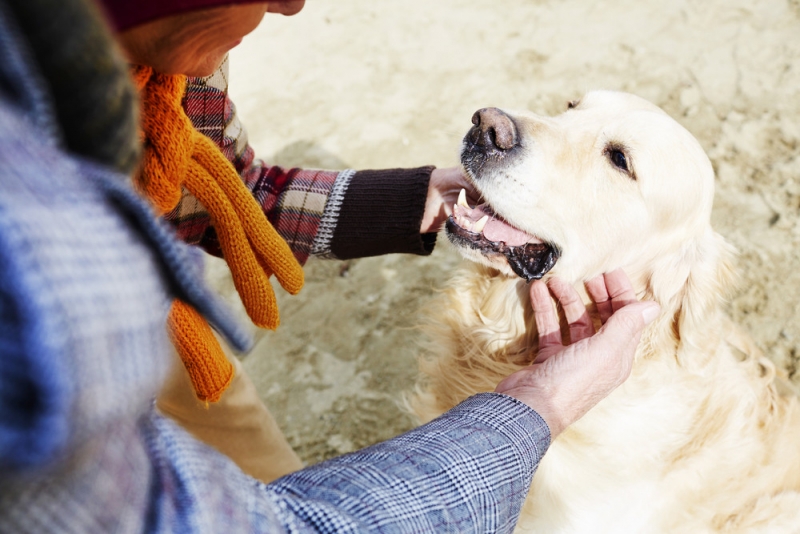
According to the MIT Technology Review, Americans have participated in over 26 million at-home DNA tests from providers like Ancestry.com and 23andMe. Now, the trend is catching on with new, unexpected members of the family: family pets. More and more, pet owners are taking the leap and sending in kits to have their dogs’ DNA officially mapped out — and now cat owners have the option to send away their feline’s DNA for testing, too.
So what started this trend? How did human DNA testing start and why is beneficial (or not-so-beneficial) to rely on companies to determine your furry friend’s DNA?
Before 23andMe entered the scene, police departments and investigators have used DNA to crack cases and put criminals behind bars for over 30 years. More recently, police began using online DNA databases to solve cold cases that are several years old — sometimes even decades old. Americans have the option to upload their data to sites that share their information with police and investigators for this exact purpose, like GEDmatch. Note that many commercial DNA kit providers, like Ancestry.com and 23andMe, do not share users’ data.
Using these resources, police have been able to definitively put to bed many previously unsolved crimes. For example, past or present spouses, romantic partners, or intimate partners are responsible for killing nearly 50% of female murder victims under 45. DNA databases help decisively link the crime to the perpetrator.
While this demonstrates the value of DNA testing in humans, what are the benefits of testing animals? Are there any drawbacks?
If you would like to test your pet’s DNA, there is some good news. Finding out more about your pet’s genetic makeup packs several potential benefits. For one thing, these tests can provide a fuller picture of your pet’s overall health. As many as four out of five aging Americans will experience symptoms of a serious illness or chronic condition. At-home DNA tests, like 23andMe, may provide a health profile, letting consumers know if they have any genetic markers associated with some of the most common illnesses. Dog DNA kits have the potential to do the same thing. These kits can determine whether your dog is predisposed or more likely to have certain diseases or medical conditions. While that knowledge may seem scary at first, it can also be used to help you and your veterinarian come up with a plan for preventative care. For example, if your dog is predisposed to cardiovascular disease, regular physical activity can help.
What’s more, these tests can provide you with insight about your dog’s lifestyle. Depending on your dog’s particular genetic makeup, they may be more prone to certain traits, like hyperactivity or overheating. If you know this information, you can take extra precautions to manage your dog’s activity level (for example, hyperactive breeds need more exercise) or prevent them from overheating.
Of course, this is only one side of the story. Some vets warn against DNA testing your dog or your cat, and it’s wise to consider their perspective, too.
There are some limitations to these results. Right now, regulations for pet DNA testing aren’t nearly as strict as regulations for human DNA testing, leaving considerable room for error. What’s more, a predisposition for a certain disease or condition does not equate to your dog actually having it. Relying too heavily on results can needlessly worry you or lead you to pursue treatments your dog may not need after all. Always consult with your veterinarian before making decisions regarding your pup’s health.
What’s the final word on DNA testing and your beloved dog or cat? That’s up to you. Decide what you think is best as a pet owner. If you do opt for DNA testing, remember it wise to view it as fun and as a means to satisfy your curiosity — not as the be-all, end-all concerning your pet’s health.
