Recipes, crafts and so much more!
Owning a home can be one of life’s great joys. In fact, 88% of homeowners work with a real estate agent or broker to ensure they can find the property of their dreams. But you may also come to realize that any home will come with a certain amount of necessary maintenance — and that problems will happen when you’re least prepared for them.
Winter, of course, can be a real test for homeowners. The cold temperatures and harsh weather conditions can take their toll on a property, both inside and out. Plumbing may be a major issue during this time of year, as pipes are inclined to freeze once winter arrives. And while the plumbing industry made more than $107 billion in 2018, you’ll probably want to do everything possible to avoid an emergency call to your local plumbing expert. Here are just a few tips you’ll want to keep in mind to ensure your plumbing continues to operate as expected all winter long without any unwelcome surprises.
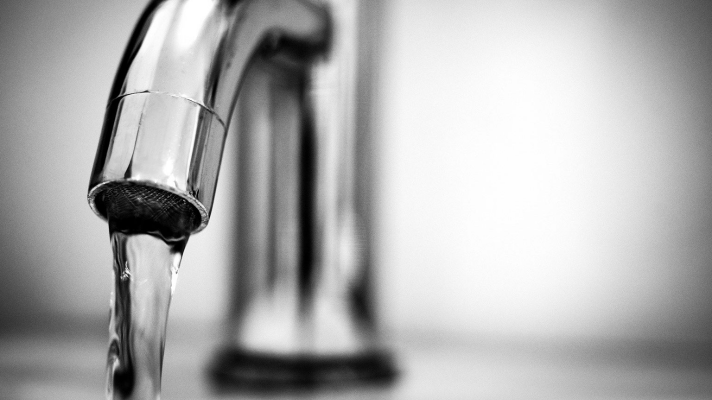
Frozen pipes are one of the problems homeowners dread during the winter season, but they aren’t necessarily inevitable. If you want to keep your pipes from freezing, you should keep your thermostat set to at least 55 degrees Fahrenheit (or above 13 degrees Celsius) at all times. Even if you’re out of the house for a prolonged period, you’ll want to keep a relatively warm temperature to prevent plumbing problems. You may also want to take the extra step of insulating your pipes or your hot water heater. Another tip is to keep a faucet slightly dripping overnight, especially in the event of a cold front.
If your home has a hot water heater, you’ll want to do everything you can to ensure it’s doing its job properly. Aside from insulating it, you may need to drain your hot water heater to remove sediment. This can improve its overall efficiency, which can cut down on energy waste and associated costs while keeping your home comfortable. Take a close look at the area around your water heater, as well, and attend to any issues that could lower the temperature in that space (such as cracked windows or drafty doors). Adding caulking or extra insulation in those spots can help your water heater work more effectively. And if you notice any odd sounds emanating from the hot water heater, it could be a sign of impending failure — so don’t wait to call a professional for repairs or replacement.
If your home has a septic tank, you’ll want to show it some TLC this season. Winter weather can be harsh on a septic tank and can result in a number of possible issues. Most home septic tanks require cleanings every three to five years, but you may find you need to put in a bit more maintenance right now to ensure its longevity and functionality. You can insulate your septic tank with a cover or even a blanket to prevent freezing, while aerating the soil or keeping off your lawn can keep snow and ice from compacting over the drain field. Be sure to address other clogs and leaks right away to prevent septic issues, as well. Pumping your septic tank before the ground freezes can also alleviate issues, while reminding any guests or family members about what can or cannot be flushed down the toilet can help you avoid the need for emergency service.
Right now, you might not be overly concerned with your plumbing. With a pandemic on and the holidays on the way, it’s understandable that these tasks might fall by the wayside. But if you take a few steps now to prevent these issues, you’ll be able to save money and ensure a very happy holiday season without any major home interruptions.
