
Recipes, crafts and so much more!
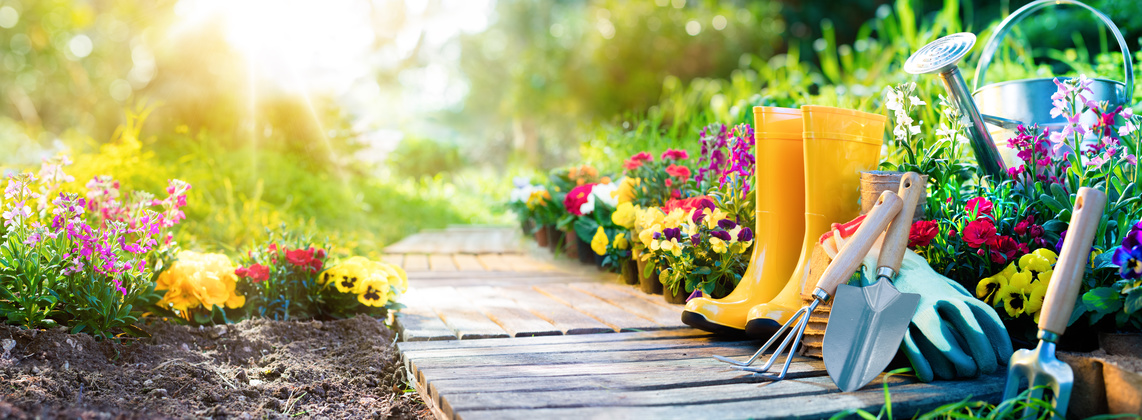 As cities become greener spaces, recent years have seen a resurgence of an old idea. Urban gardening was popularized during World War II when food resources were difficult to import and export. At that time a lot of cities, especially in England and Europe, repurposed parks and empty lots into farmland that became known as Victory Gardens.
The recent sustainable living movement has increased the number of people planting urban gardens. Some people are even going as far as urban beekeeping. The interconnection between gardens and bees is significant. Did you know that bees are responsible for the cross-pollination of 30% of crops and 90% of wild plants? Without this cross-pollination, the plants on the planet would no longer thrive. Planting an urban garden, regardless of whether you can eat it, helps the bees find food in what would normally be a barren wasteland.
There are a few different strategies for starting a successful urban garden. Whether you have a small yard in which to plant or you are planning to utilize a south-facing window for maximum sunlight, your planting tactics will be different depending on your situation.
If you have a yard or balcony, the first thing you need to do is figure out how much sun you’ll get. Sun is a huge part of gardening. Some plants, like lettuces and zucchini, are completely fine with a shady porch or cool window sill. But if your heart is set on tomatoes, you will need as much sun as you can get.
Typically plants get the most sunlight when facing south. Because the sun rises and sets in the east and west, placing your garden in those directions will get you sunlight for only half the day. Because of the tilt of the Earth on its axis and your geographic position in the United States, the sunniest part of your home is in the south and the shadiest is in the north.
Once you’ve found the best location, you have to assess your space. If you have a yard you need to decide between planting in raised beds or directly into the ground. Both have their benefits, planting in the ground means the plants are more capable of managing their water levels compared to raised beds but raised beds give you more control over the soil you’re planting into. If your city was built on acidic soil and you want to grow blueberries you’re probably fine, but those beans won’t like it.
If you want to save some money or you don’t really have a yard to plant in, container gardening a great way to start off on that sustainable path of urban gardening. In particular, you can turn anything into a container. This option is a great way to upcycle and create something useful out of something you thought you’d throw away. Things like coffee containers, plastic tubs from margarine, or an unused bucket will work. Anything that can hold dirt can hold plants.
Make sure to check the average depth plants reach before you start your container spread. Things like carrots, where you eat the root, have longer roots than lettuce and other leafy greens. Seed packets generally tell you everything you need to know about what to plant and where.
Lastly, don’t kick yourself if it doesn’t work out the first time. Gardening is a process, enjoy it. Get messy, make mistakes, and learn along the way.
