Sharp sand is one of the most widely used materials in landscaping and construction projects across the UK. Whether you’re laying a patio, installing paving or improving drainage in your garden, it plays an important role in creating stable and long-lasting outdoor spaces. Despite how common it is, many homeowners and DIY enthusiasts still have questions about what sharp sand is and how it should be used.
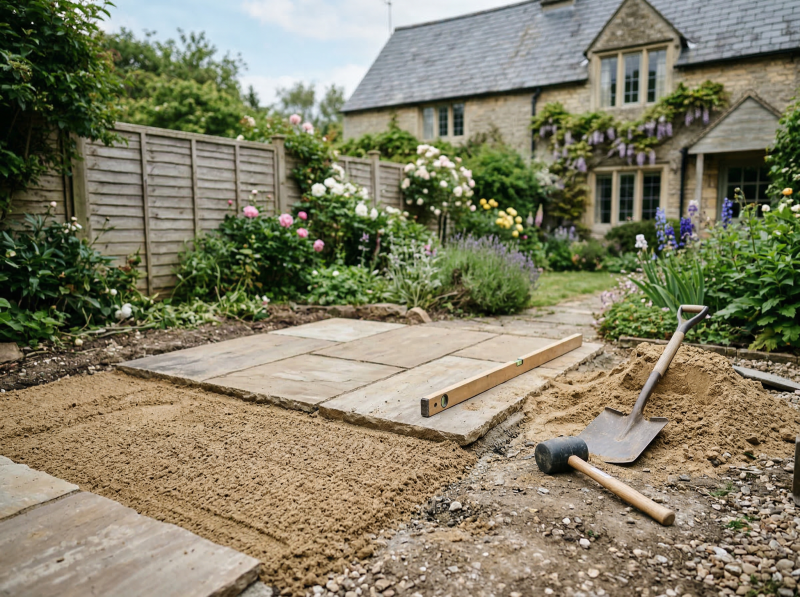
Below are some of the most common questions people ask when working with this versatile material.
What Is Sharp Sand?
Sharp sand is a coarse type of sand made up of larger, angular grains. Unlike softer sands used in bricklaying or plastering, sharp sand has a gritty texture that allows it to bind well with other materials such as cement.
Because of its structure, sharp sand provides excellent stability and drainage. This makes it suitable for a wide range of outdoor applications, including concrete mixes, paving installations and screeding.
What Is the Difference Between Sharp Sand and Building Sand?
One of the most common points of confusion is the difference between sharp sand and building sand.
Building sand is much finer and smoother in texture. It is mainly used for bricklaying mortar and rendering because it produces a smoother finish.
Sharp sand, on the other hand, is rougher and more granular. This makes it more suitable for structural uses where strength and drainage are important. For example, it is commonly used beneath paving slabs or as part of a concrete mix.
Can Sharp Sand Be Used for Laying Paving?
Yes, sharp sand is frequently used when laying patios and paving slabs. When mixed with cement, it forms a strong bedding layer that helps keep slabs securely in place.
A typical mix used by landscapers is four parts sharp sand to one part cement. This creates a firm base that supports the weight of the paving while allowing for proper drainage underneath.
Many homeowners sourcing sharp sand from Mainland Aggregates use it for this exact purpose when installing patios, garden paths or other landscaping features.
Is Sharp Sand Good for Drainage?
Sharp sand is often used to improve drainage in outdoor areas. Because the grains are larger than those found in finer sands, water can pass through more easily.
This makes it a practical choice for applications such as:
• Bedding drainage pipes
• Improving soil drainage in heavy clay gardens
• Creating a permeable layer beneath paving or decking
Proper drainage is essential for preventing water build-up, which can lead to shifting paving or waterlogged soil.
How Much Sharp Sand Do You Need?
The amount required depends on the project and the depth of the layer being installed. For example, when laying paving slabs, a bedding layer of around 30–50mm is often recommended.
For many garden projects, a bulk bag of sharp sand can cover several square metres, but it’s always worth calculating the area and depth beforehand to ensure you order enough.
A Versatile Material for Garden Projects
Sharp sand remains one of the most useful materials for landscaping and outdoor construction. Whether you’re installing paving, mixing concrete or improving garden drainage, it provides strength, stability and reliability when used correctly.
