
Recipes, crafts and so much more!
Maui sits in the Central Pacific, where hurricane season runs from June 1 to November 30. Most storms move in from the east and have to pass Hawaiʻi Island first, which is one reason direct hurricane hits on Maui are rare. Still, storms that pass nearby can bring big surf, heavy rain, and strong winds to the coast.
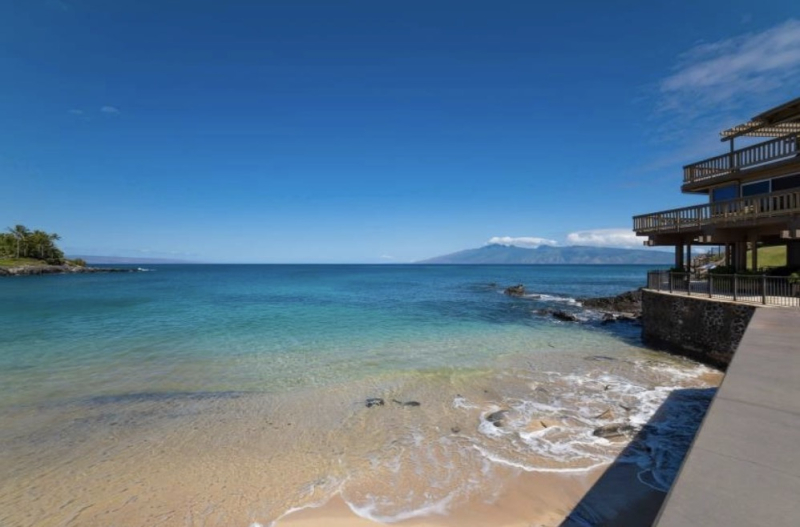
Most visitor condos are on that coast, mainly in South Maui and West Maui. If you are comparing oceanfront vs. beachfront Maui condos, it helps to know the terms are not the same. A beachfront building sits right on the sand, while an oceanfront one may sit on rocks, a seawall, or a low bluff.
So, is it safe to book? For most travelers, yes, if you choose the unit carefully and plan ahead. The real risks are rough surf, flooding near the shore, power cuts, and canceled flights, not a direct hit.
How Active Is Hurricane Season Around Maui?
For 2026, NOAA forecasts an above-normal Central Pacific season with five to 13 tropical cyclones, compared with four or five in a normal year. Hurricane Nolo showed how a storm can affect Maui without hitting it.
According to the National Weather Service’s impact summary, the storm stayed south of the islands in late September. Even so, many sites on Maui recorded winds above 60 mph. About 12,370 customers lost power in West Maui and Upcountry.
What Makes One Beachfront Condo Safer Than Another?
Three things set one beachfront condo apart from another.
The Shore It Faces
Storms passing south of the islands send large swells to the south shore, where many Kīhei and Wailea condos are located. During Hurricane Lowell in September 2026, Maui County alerts warned of surf building to 12 to 16 feet on south-facing shores. Storms to the east, like Hurricane Karina, push big surf onto east-facing shores instead.
Floor Level and Shoreline
When big waves arrive at high tide, beaches and low-lying areas can flood, so a unit above the ground floor keeps you farther from the water. Labels for oceanfront vs. beachfront Maui condos can be loose. Check photos to see whether the building sits on sand, rocks, or a seawall.
Wind and Backup Power
Wind can cause trouble even when a storm stays well offshore. Gusts can knock down trees and power lines, so a building with backup power is a plus.
Questions to Ask Before You Book
Ask the property manager:
• Will I get a refund or credit if a hurricane warning is issued?
• How will you contact guests during a storm?
• Does the building have backup power for lights and elevators?
• Is the property in a coastal evacuation zone?
Travel insurance can also protect your money. Many policies stop covering a storm once it has been named, so buy coverage early and read the weather terms before you pay.
What to Do If a Watch or Warning Is Issued
A hurricane watch means hurricane conditions are possible, while a warning means they are expected. If one is issued near or during your stay:
1. Check your flight and contact the property about your booking.
2. Follow directions from your property manager and the Maui Emergency Management Agency (MEMA).
3. If your building is exposed to big waves and you feel unsafe, move to a safer place early, before roads close.
4. If officials order an evacuation, go where they direct you, including public shelters.
Local Insights for Hurricane Season
Safety Tips
• Stay out of the water during high surf warnings, when rip currents get dangerous.
• Expect closures, as state parks and trails on Maui shut down before Tropical Storm Nolo.
General Knowledge
• Call 911 in an emergency.
• Sign up for MEMA Alerts at mauicounty.gov/MEMA and download the Genasys Protect app for hazard updates.
• Plan backup transport, since Maui Bus service was suspended during Hurricane Nolo.
Key Takeaways
• Hurricane season on Maui runs from June 1 to November 30, but direct hits on the island are rare.
• Nearby storms can still bring high surf, strong winds, flooding, and power cuts.
• South shore condos face swells from southern storms, and east-facing shores face surf from eastern ones.
• A unit above the ground floor, on a sandy beach, with backup power lowers your exposure.
• Buy travel insurance before a storm is named and read the weather terms.
• During a warning, follow MEMA and leave early if your building feels unsafe.
