Timber decking is a popular choice for gardens across the UK. It creates a warm, natural space for relaxing, entertaining and enjoying the outdoors. However, timber is a natural material, so without proper care, it can deteriorate over time. Moisture, algae and general weather exposure can all contribute to rot if your deck is not properly maintained.
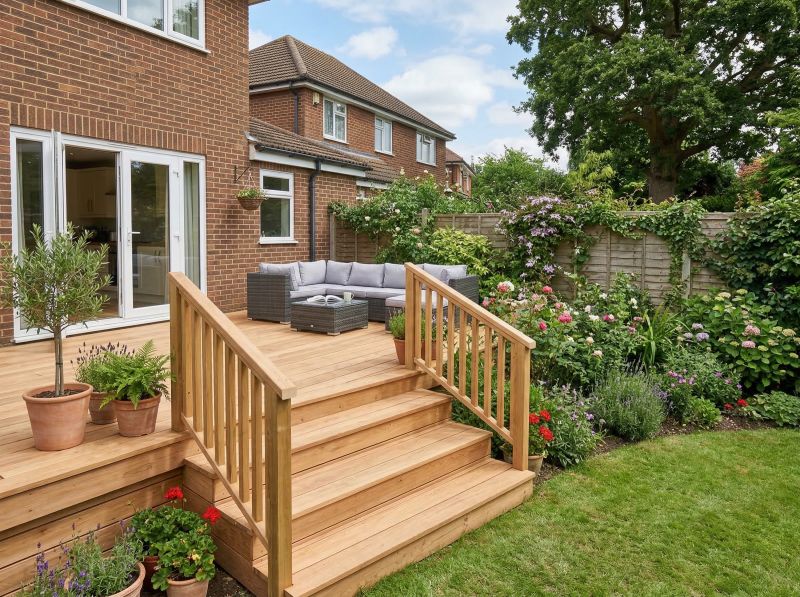
The good news is that with the right installation methods and simple maintenance routines, timber decking can last for many years. Here are some practical ways to prevent your decking from rotting and keep it looking its best.
Choose Quality Timber from the Start
The first step in preventing rot is choosing the right timber. High-quality decking boards that have been pressure-treated are designed to resist moisture, fungal growth and insect damage.
Pressure treatment forces preservative deep into the wood fibres, protecting the timber from the inside out. This greatly extends the lifespan of the decking compared to untreated timber.
For example, when homeowners or landscapers purchase timber decking by Harlow Bros, they are typically selecting boards that have already undergone treatment processes designed to help protect the timber in outdoor conditions.
Ensure Proper Drainage and Airflow
One of the main causes of decking rot is trapped moisture. If water sits on or beneath the deck for long periods, it creates ideal conditions for fungi that break down the wood.
Good deck design should always allow water to drain away easily. A few key installation practices can make a big difference:
• Leave small gaps between decking boards so rainwater can drain away.
• Ensure the deck is slightly sloped to prevent standing water.
• Raise the deck frame off the ground to allow air circulation underneath.
Airflow beneath the deck helps timber dry out after rainfall, reducing the risk of rot forming in hidden areas.
Apply Protective Oils or Sealants
As Wood Create recommends, applying a decking oil, stain or sealant is one of the most effective ways to protect timber from moisture damage.
Decking oils penetrate the wood and help repel water, while also reducing cracking and splitting caused by temperature changes. Sealants and stains create a protective barrier on the surface of the boards.
Most experts recommend treating decking once a year, ideally in spring or early summer when the weather is dry. This regular maintenance can significantly extend the life of the timber.
Keep Decking Clean
Organic debris such as leaves, moss and dirt can trap moisture against the surface of the decking boards. Over time, this damp environment encourages rot and fungal growth.
Simple cleaning routines help prevent this. Sweep the deck regularly to remove debris, particularly during autumn. A gentle wash with a decking cleaner or mild soap solution can also remove algae and dirt that may accumulate.
Avoid aggressive pressure washing, as it can damage the wood fibres if used incorrectly.
Inspect and Maintain the Deck Structure
Finally, regular inspections can help identify small problems before they become serious.
Check for loose boards, damaged fixings or areas where water may be collecting. Replace any boards that show signs of severe decay and ensure screws or nails are secure.
Catching issues early helps prevent rot spreading through the structure of the deck.
In Summary
Timber decking can remain attractive and structurally sound for many years when properly installed and maintained. By choosing quality materials, ensuring good drainage and carrying out simple annual maintenance, homeowners can enjoy a durable outdoor space that withstands the British climate.
