With the climate crisis looming, it’s more important than ever to use eco-friendly materials and products whether you’re at home or on holiday. By being mindful of the products you’re using and the impact they have on the environment, you can reduce waste and pollution.
Unfortunately, there are some products that are bad for the ocean that many people don’t know about and continue to use. Here are some unexpected products that have a negative impact on water and their eco-friendly alternatives.
Sunscreen
Swimming is the seventh most popular sport in the UK and the fourth most popular in the US. Research has found that certain types of sunscreen contain chemicals that can pollute water and harm coral reefs. These chemicals include oxybenzone and octinoxate.
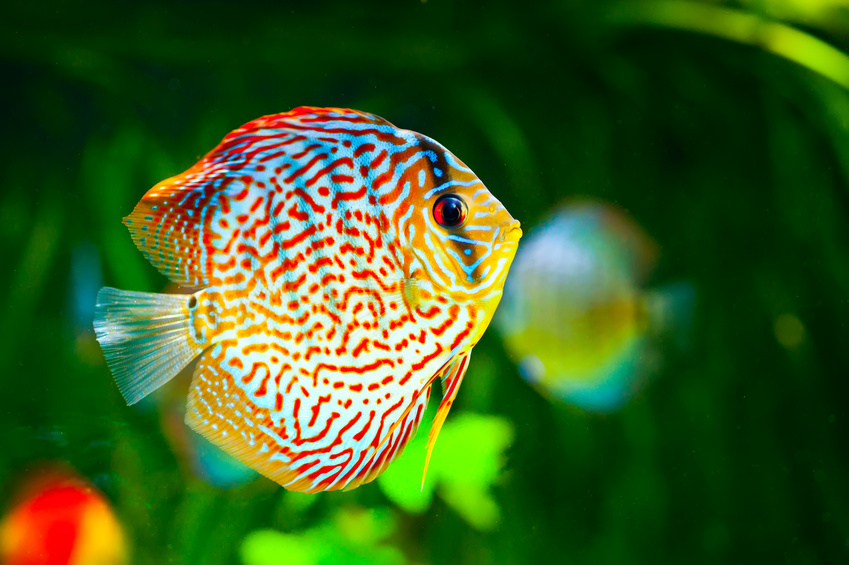
While 15 minutes may be enough time to acclimate a new coral to a reef in a fish tank, ocean coral is less likely to adapt to environmental changes so quickly. Since 2016, coral bleaching from pollution from chemicals such as those in sunscreen has killed off half of the Great Barrier Reef.
To avoid causing damage to coral and polluting the water, use titanium dioxide sunscreens and other chemical-free alternatives.
Personal-care products
Sunscreen isn’t the only personal-care product causes water pollution. If a product you use can wash off of you while you’re in the shower, then it can wash off into water while you swim.
Consider hair care products. The men’s hair care market in the UK is expected to grow by 11% by 2020, and in 2017 up to 51% of survey respondents in the US said they use hair products every day.
If these products are still in your hair when you go swimming, they can wash out and contaminate the water. This increases pollution and ocean degradation.
The International Union for Conservation of Nature (IUCN) suggests recognizing the use of personal-care products in the water as a problem and to reduce the amount you use when you know you’re going swimming.
Hand soap
You would think hand soap would be the safest bet when it comes to products that are okay to use in water. But it turns out many hand soaps contain a chemical called triclosan.
In studies on mice, triclosan has caused cancer and other serious health conditions. It’s also incredibly resilient and it’s able to survive water treatment, which means it’s capable of being washed out into the ocean. This can have a major impact on the bacteria that live in the ocean and form the base of the planet’s food chain.
Read the back of your hand soap on the list of ingredients to check and see if it contains triclosan. If the soap contains the chemical, consider switching to a new brand of soap.
There are many products that we use in our everyday lives that may be bad for the environment. The good news is that there are eco-friendly products we can use instead to reduce our impact on the environment.
